
A Standardized Measurement Framework for Righteousness Across Individuals, Organizations, and Nations
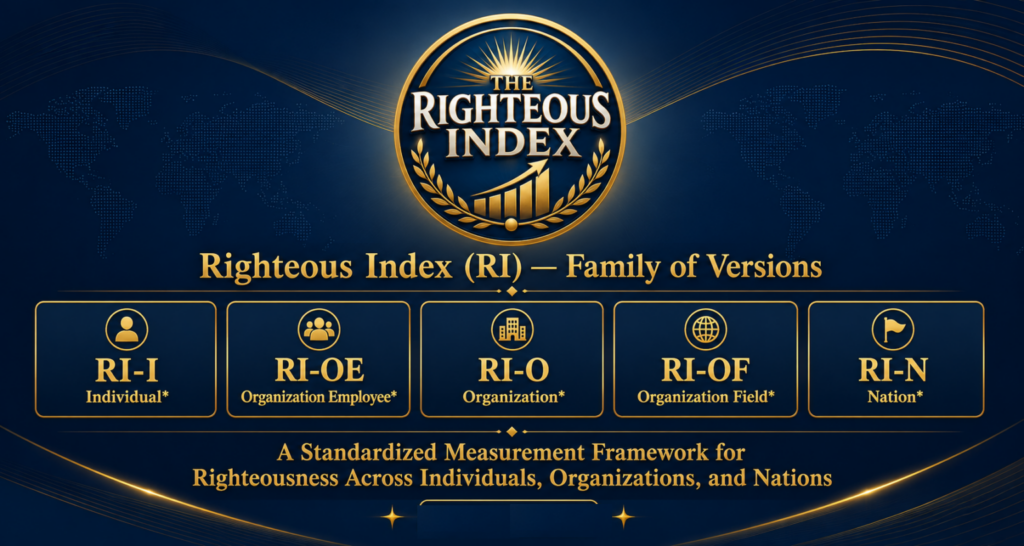
The Righteous Index (RI) Standard Catalog provides a comprehensive overview of all RI versions, scoring methodologies, and application guidelines. This catalog is designed for organizations, leaders, and individuals seeking to measure and track righteousness across different contexts.
Table of Contents
| Section | Title |
|---|---|
| Part One | What Is the Righteous Index? |
| 1.1 | What Is a Righteous Index? |
| 1.2 | The Righteous Index Family — Versions by Application |
| 1.3 | RI Score Ranges and Rating Levels |
| 1.4 | Additional RI Versions |
| Part Two | How Your RI Is Calculated |
| 2.1 | RI Is Calculated from RSS Framework Data |
| 2.2 | The 7 RSS Layers That Shape Your RI |
| 2.3 | The 7 Key RI Ingredients (Weighting Framework) |
| 2.4 | Version Control and Model Governance |
| Part Three | Why Your RI Matters |
| 3.1 | RI — A Vital Part of Your Righteous Health |
| 3.2 | How RI Helps Individuals and Organizations |
| 3.3 | RI in the Broader Ecosystem |
| 3.4 | RI Myths — Debunked |
| Part Four | RI Versions in Detail |
| 4.1 | RI-I — Righteous Index for Individual |
| 4.2 | RI-OE — Righteous Index for Organization Employee |
| 4.3 | RI-O — Righteous Index for Organization |
| 4.4 | RI-OF — Righteous Index for Organization Field |
| 4.5 | RI-N — Righteous Index for Nation |
| Appendix | Reference Tables |
| A | Complete RI Version Comparison Table |
| B | RSS 7 Layers — Full Definition |
| C | Version History and Release Notes |
Part One — What Is the Righteous Index?
1.1 What Is a Righteous Index?
A Righteous Index (RI) is a standardized, multidimensional score that summarizes an individual’s or organization’s current state of righteousness — that is, how consistently they align with the principles of integrity, right judgment, and lawful motivation.
Much like a credit score summarizes credit risk, the RI summarizes righteous health. It provides a fast, reliable, and objective measure that helps leaders, HR professionals, and individuals understand where they stand and where they need to grow.
Each RI is calculated from data collected through a structured assessment, based on the Righteous Standards System (RSS) — a 7‑layer framework that defines what righteousness is.
The higher your RI, the stronger your foundation in righteousness. Higher RI scores demonstrate consistent alignment with righteous principles, while lower scores indicate areas requiring attention and development.
1.2 The Righteous Index Family — Versions by Application
The RI is not a single tool, but a family of indices, each tailored to a specific unit of analysis. All versions share the same underlying RSS architecture, but differ in question design, weighting, and interpretation.
This table provides an overview of all RI versions, their target subjects, and primary purposes.
Table 1: RI Family — Versions by Application
| Version | Full Name | Target Subject | Purpose |
|---|---|---|---|
| RI-I | Righteous Index for Individual | Individual person | Personal development, self‑reflection, growth tracking |
| RI-OE | Righteous Index for Organization Employee | Employees within an organization | Employee development, workplace culture assessment, leadership coaching |
| RI-O | Righteous Index for Organization | Organization as a whole | Organizational culture diagnosis, health check, transformation tracking |
| RI-OF | Righteous Index for Organization Field (RI-OF) | Organizations in a specific industry / sector | Industry benchmarking, sector‑specific diagnostics, comparative analysis |
| RI-N | Righteous Index for Nation | Nation / country | National governance assessment, social trust monitoring, policy evaluation |
Each version produces a score on the same 0–100 scale, enabling meaningful comparison across versions while allowing contextual customization.
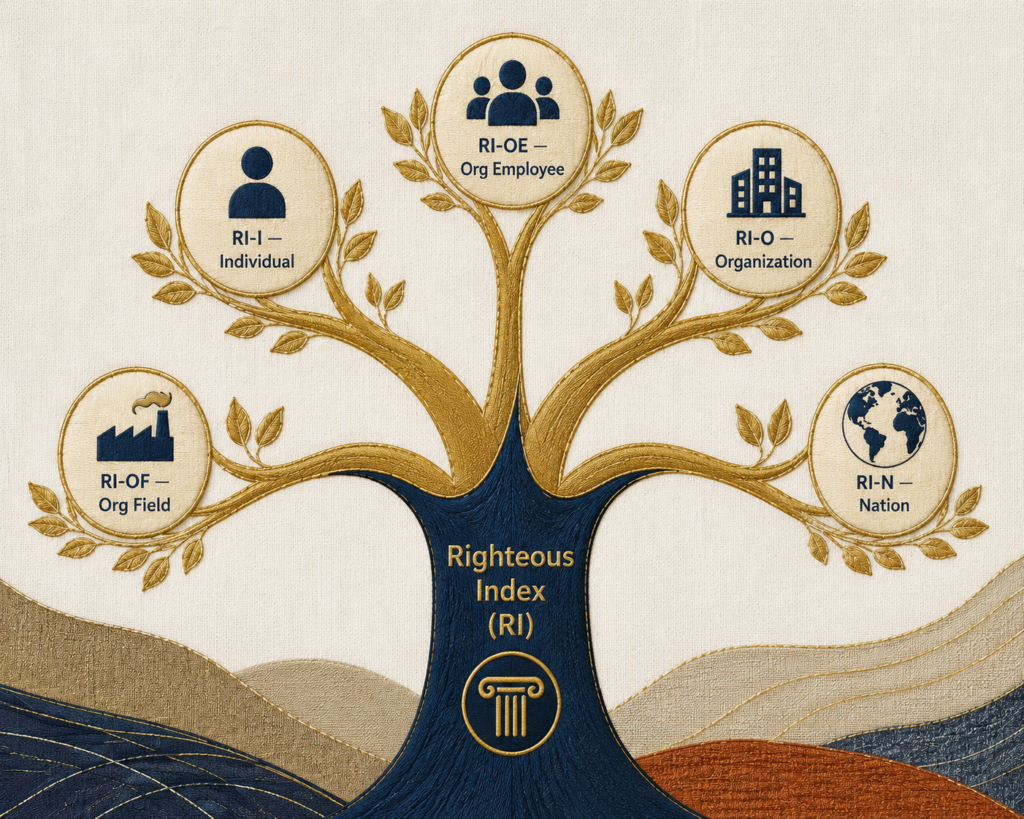
Figure 1. RI Family Tree — Five Versions by Application
1.3 RI Score Ranges and Rating Levels
This table provides a breakdown of RI score ranges and their corresponding rating levels, serving as a general guide for interpreting RI results.
Table 2: RI Score Ranges and Rating Levels
| Score Range | Rating | Description |
|---|---|---|
| 86 – 100 | Exemplary | Consistently demonstrates righteousness; a role model for others |
| 70 – 85 | Proficient | Solid foundation; demonstrates righteousness consistently |
| 51 – 69 | Developing | Foundational elements present; significant growth opportunities exist |
| 0 – 50 | Emerging | Needs attention and development across multiple dimensions |
Note: Each organization or leader may set its own threshold for what constitutes a “good” RI, depending on context and goals. The table above serves as a general guide.
1.4 Additional RI Versions
Similar to how FICO offers industry‑specific versions such as Auto Score, Bankcard Score, and Mortgage Score, the RI framework can be extended to additional domains as needed.
Table 3: Additional RI Versions — Field Extensions
| Version | Full Name | Target Subject |
|---|---|---|
| RI-OF-EDU | Righteous Index for Organization Field — Education | Educational institutions |
| RI-OF-HEALTH | Righteous Index for Organization Field — Healthcare | Healthcare organizations |
| RI-OF-NPO | Righteous Index for Organization Field — Nonprofit | Nonprofit organizations |
| RI-OF-GOV | Righteous Index for Organization Field — Government | Government agencies |
These versions share the same core architecture but are calibrated for the specific context and challenges of each field.
Part Two — How Your RI Is Calculated
2.1 RI Is Calculated from RSS Framework Data
Your RI is calculated from data collected through a structured assessment based on the Righteous Standards System (RSS) . This data is organized into 7 layers, each representing a distinct dimension of righteousness.
This table summarizes the key components of RI calculation, including data sources, dimensions, and scoring methodology.
Table 4: RI Calculation Overview
| Component | Description |
|---|---|
| Data Source | Structured assessment based on RSS framework |
| Core Dimensions | 7 layers of the RSS |
| Score Range | 0 – 100 |
| Calculation | Weighted sum of dimension scores |
| Version Control | Semantic versioning (v1.0, v2.0, etc.) |
2.2 The 7 RSS Layers That Shape Your RI
This table defines the 7 layers of the Righteous Standards System (RSS), which serve as the foundation for all RI calculations.
Table 5: RSS 7 Layers — Full Definition
| RSS Layer | Name | What It Measures |
|---|---|---|
| Layer 1 | Fundamentals | Universal principles: honesty, respect, fairness, responsibility |
| Layer 2 | Foundation | Core values and beliefs that guide righteous action |
| Layer 3 | Alignment | Consistency between values, actions, and incentives |
| Layer 4 | Structure | Clear roles, responsibilities, and governance |
| Layer 5 | Process | Standardized procedures that ensure righteous outcomes |
| Layer 6 | Assurance | Verification, evaluation, and feedback mechanisms |
| Layer 7 | Restoration | Recovery, learning, and improvement from failures |
Each layer contributes to the overall RI, with weights calibrated to reflect the relative importance of each dimension.
2.3 The 7 Key RI Ingredients (Weighting Framework)
RI scores are calculated from responses across the 7 RSS layers. Each layer serves as a key ingredient that determines your final score, with weights reflecting their relative importance.
This table 6 shows the 7 RSS layers, their consensus weights, and what each layer measures.
Table 6: The 7 Key RI Ingredients — RSS Layers
| Ingredient | Weight | What It Measures |
|---|---|---|
| Fundamentals | 21% | Universal principles: honesty, respect, fairness, responsibility |
| Foundation | 20% | Core values and beliefs that guide righteous action |
| Alignment | 18% | Consistency between values, actions, and relationships |
| Structure | 14% | Purpose, contribution, and achievement |
| Process | 11% | Resilience, learning, adaptability, perseverance |
| Assurance | 8% | Moral courage, honesty, speaking up, accountability |
| Restoration | 8% | Recovery, learning from failure, restoring relationships |
Note: The weights above represent the general framework. For specific versions (e.g., RI‑OF for a particular industry), weights may be recalibrated to reflect the priorities of that context.
2.4 Version Control and Model Governance
Like credit scoring models, each RI version is independently versioned and governed.
This table tracks the release history of RI versions, documenting key updates and changes.
Table 7: RI Version History
| Version | Release Date | Key Updates |
|---|---|---|
| v1.0 | Q3 2026 | Initial public release — all core versions (RI‑I, RI‑OE, RI‑O, RI‑OF, RI‑N) |
| v1.1 | Q1 2027 | Refined question sets; improved weighting calibration |
| v2.0 | Q4 2027 | Major update — new dimensions; enhanced predictive validity |
Lenders and organizations determine which version of the RI to use, and when to migrate to updated versions. Version control ensures transparency, comparability, and continuous improvement.
Part Three — Why Your RI Matters
3.1 RI — A Vital Part of Your Righteous Health
Your RI is a vital indicator of your righteous health. It can influence:
- Leadership development and promotion decisions
- Organizational culture transformation
- Team trust and collaboration
- Long‑term sustainability and reputation
Because RI is the most comprehensive measure of righteousness, tracking your RI helps you understand how others will evaluate your alignment with righteous principles.
3.2 How RI Helps Individuals and Organizations
This table outlines the primary applications of RI for different stakeholders.
Table 8: RI Applications by Stakeholder
| Stakeholder | How RI Helps |
|---|---|
| Individuals | Self‑assessment, personal growth, identifying strengths and areas for improvement |
| Leaders | Leadership development, coaching, succession planning |
| HR Professionals | Employee development, culture assessment, talent management |
| Organizations | Cultural diagnosis, transformation tracking, benchmarking |
| Governments | National governance assessment, social trust monitoring, policy evaluation |
3.3 RI in the Broader Ecosystem
This table shows how RI fits into the broader Righteous Advisory ecosystem.
Table 9: RI in the Broader Ecosystem
| Component | Role |
|---|---|
| RSS | Defines what righteousness is (the standard) |
| RI | Measures the current state of righteousness (the diagnosis) |
| RMF | Diagnoses motivation, provides treatment, and ensures prevention |
| RMI | Measures the motivation to pursue righteousness (the driver) |
| RGS | Tracks growth over time (the progress metric) |
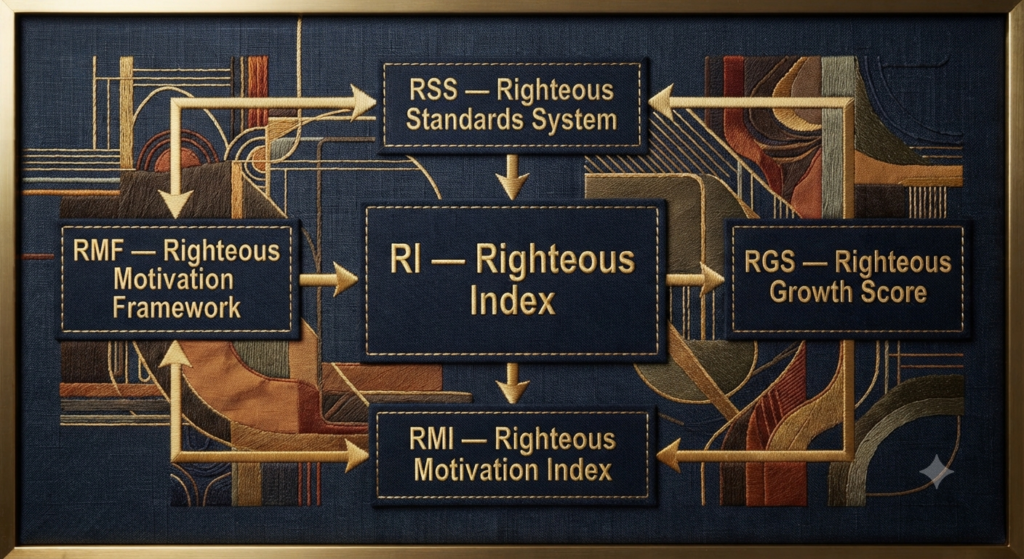
Figure 2. RI in the Righteous Advisory Ecosystem
3.4 RI Myths — Debunked
| Myth | Reality |
|---|---|
| “RI is only for individuals.” | RI has versions for individuals, employees, organizations, fields, and nations. |
| “RI is a one‑time score.” | RI is designed to be tracked over time, with RGS measuring growth. |
| “RI is subjective.” | RI is based on a structured, validated framework (RSS) with clear dimensions and weights. |
| “RI is only for diagnosis.” | RI provides the foundation for treatment and prevention through RMF. |
Part Four — RI Versions in Detail
4.1 RI-I — Righteous Index for Individual
| Attribute | Description |
|---|---|
| Full Name | Righteous Index for Individual |
| Target | Individual person |
| Purpose | Personal development, self‑reflection, growth tracking |
| Dimensions | All 7 RSS layers |
| Score Range | 0–100 |
| Primary Use | Self‑assessment, coaching, personal growth plans |
4.2 RI-OE — Righteous Index for Organization Employee
| Attribute | Description |
|---|---|
| Full Name | Righteous Index for Organization Employee |
| Target | Employees within an organization |
| Purpose | Employee development, workplace culture assessment, leadership coaching |
| Dimensions | All 7 RSS layers, calibrated for workplace context |
| Score Range | 0–100 |
| Primary Use | Employee development, team building, leadership programs |
4.3 RI-O — Righteous Index for Organization
| Attribute | Description |
|---|---|
| Full Name | Righteous Index for Organization |
| Target | Organization as a whole |
| Purpose | Organizational culture diagnosis, health check, transformation tracking |
| Dimensions | All 7 RSS layers, calibrated for organizational context |
| Score Range | 0–100 |
| Primary Use | Culture transformation, organizational health assessment |
4.4 RI-OF — Righteous Index for Organization Field
| Attribute | Description |
|---|---|
| Full Name | Righteous Index for Organization Field |
| Target | Organizations in a specific industry or sector |
| Purpose | Industry benchmarking, sector‑specific diagnostics, comparative analysis |
| Dimensions | All 7 RSS layers, calibrated for field‑specific context |
| Score Range | 0–100 |
| Primary Use | Industry benchmarking, competitive analysis, sector research |
4.5 RI-N — Righteous Index for Nation
| Attribute | Description |
|---|---|
| Full Name | Righteous Index for Nation |
| Target | Nation / country |
| Purpose | National governance assessment, social trust monitoring, policy evaluation |
| Dimensions | All 6 Dimensions, calibrated for national context |
| Score Range | 0–100 |
| Primary Use | Governance assessment, policy evaluation, international comparison |
Appendix — Reference Tables
Table A: Complete RI Version Comparison
Description: This table provides a comprehensive comparison of all RI versions.
| Version | Target | Dimensions | Score Range | Weighting | Primary Use |
|---|---|---|---|---|---|
| RI-I | Individual | All 7 | 0–100 | Standard | Personal growth |
| RI-OE | Employee | All 7 | 0–100 | Work‑context calibrated | Employee development |
| RI-O | Organization | All 7 | 0–100 | Organization‑context calibrated | Culture diagnosis |
| RI-OF | Field | All 7 | 0–100 | Field‑specific calibrated | Industry benchmarking |
| RI-N | Nation | All 6 | 0–100 | National‑context calibrated | Governance assessment |
Table B: RSS 7 Layers — Full Definition
Description: This table provides the complete definition of the 7 RSS layers.
| Layer | Name | Definition |
|---|---|---|
| 1 | Fundamentals | Universal principles of righteousness |
| 2 | Foundation | Core values and beliefs guiding righteous action |
| 3 | Alignment | Consistency between values, actions, and incentives |
| 4 | Structure | Clear roles, responsibilities, and governance |
| 5 | Process | Standardized procedures for righteous outcomes |
| 6 | Assurance | Verification, evaluation, and feedback |
| 7 | Restoration | Recovery, learning, and improvement from failures |
Table C: Version History and Release Notes
Description: This table documents the release history and key changes for each RI version.
| Version | Release Date | Key Changes |
|---|---|---|
| v0.5 | Q1 2026 | Initial Formula for RI index |
| v1.0 | Q3 2026 | Initial release with RI Family |
Righteous Index (RI) — Measure, Track, Grow.