
RSS 37000:2026‑F — Framework Overview
1. Introduction
The Righteousness Standard System (RSS) is a multi‑level framework designed to define, cultivate, measure, and sustain righteousness in both people and institutions. It provides a structured, ISO‑aligned approach for understanding the foundations of righteousness, expressing it through principles, measuring it through indicators, and operationalizing it through systems and continual improvement.
The RSS framework is built upon:
- Two Pillars of Righteousness (Figure 1)
- Seven‑Level RSS Architecture (Figure 2)
These two models provide the conceptual and developmental structure for all RSS standards.
2. Purpose of the Standard
The purpose of the RSS is to:
- Establish a universal, principle‑based understanding of righteousness
- Provide a structured framework for people and institutions
- Enable measurable and repeatable assessment
- Support implementation, certification, and continual improvement
- Promote integrity, justice, and moral clarity across all domains of life and leadership
This Framework Overview is informative, not normative. Formal requirements begin at:
- RSS 37000:2026 — Level 1 (Righteous Axioms)
- RSS 37002:2026 — Level 2 (Righteous Principles)
3. RSS Framework Overview
The RSS is organized into seven levels, each serving a distinct purpose in the development and application of righteousness. The framework integrates foundational truths, principles, indicators, measurement, implementation, certification, and continual elevation.
The architecture is shown in Figure 2.
4. The Two Pillars of Righteousness
The Righteousness Standard System is built upon two foundational pillars that define where righteousness is formed, expressed, and sustained:
1. People
Cultivating righteous character, mindset, and behavior in individuals.
2. Institutions
Establishing just policies, systems, and cultures within organizations.
These two pillars represent the essential domains through which righteousness becomes actionable and measurable. When people embody righteous conviction and institutions operate with integrity, righteousness becomes sustainable, scalable, and transformative.
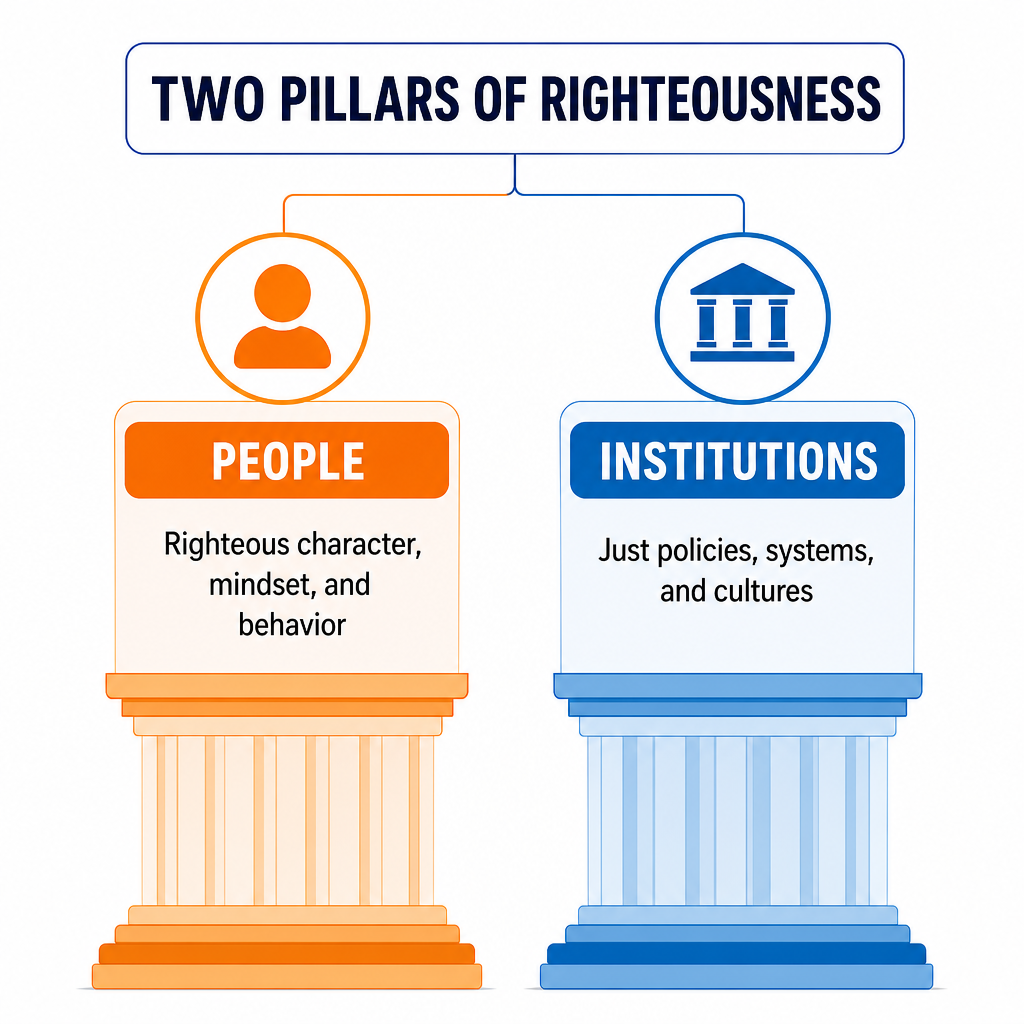
Figure 1. Structure of the Two Pillars of Righteousness
5. RSS Framework Architecture
The RSS Framework Architecture illustrates the developmental progression of righteousness across seven levels. It integrates foundational truths, principles, alignment, structure, processes, assurance, and continual elevation.
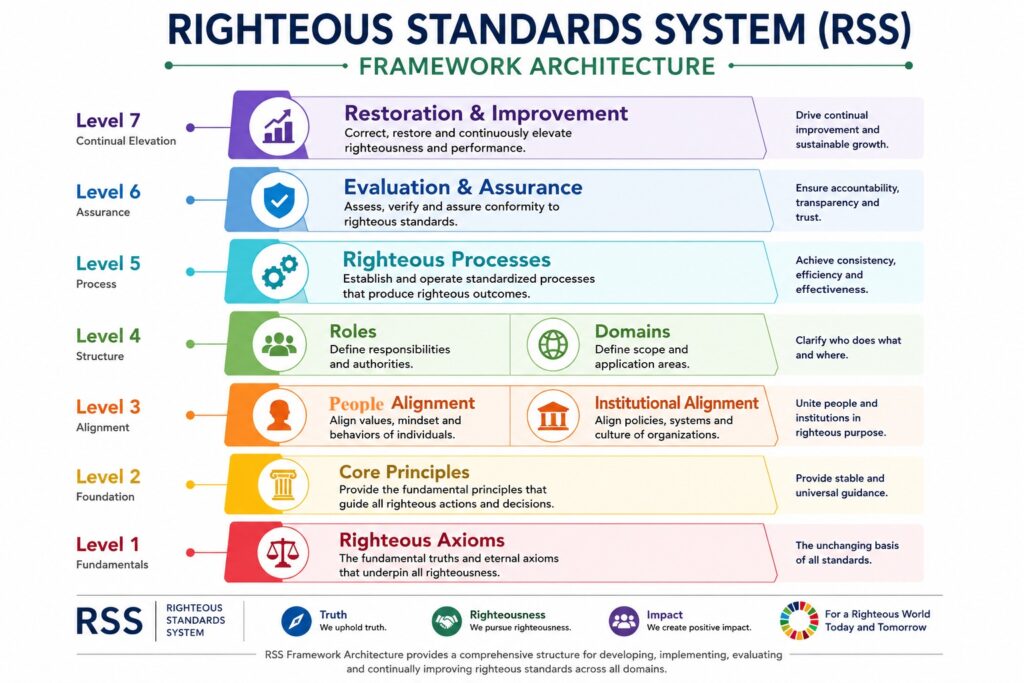
Figure 2. RSS Framework Architecture (Seven‑Level Structure)
6. Structure of the Seven RSS Levels
| Level | Document Code | Purpose |
|---|---|---|
| Level 1 | RSS 37000:2026 | Righteous Axioms — foundational truths |
| Level 2 | RSS 37002:2026 | Righteous Principles — core principles |
| Level 3 | RSS 37003:2026 | Indicators — measurable expressions |
| Level 4 | RSS 37004:2026 | Measurement — quantification methods |
| Level 5 | RSS 37005:2026 | Implementation — righteous processes |
| Level 6 | RSS 37006:2026 | Certification — evaluation & assurance |
| Level 7 | RSS 37007:2026 | Continuous Improvement — elevation & restoration |
This structure ensures:
- Conceptual clarity
- Operational consistency
- Scalability
- International applicability
7. Relationship Between Levels
The relationship between levels is hierarchical and sequential:
- Level 1 defines what righteousness is.
- Level 2 defines how righteousness is expressed.
- Level 3 defines how righteousness is measured.
- Level 4 defines how righteousness is quantified.
- Level 5 defines how righteousness is implemented.
- Level 6 defines how righteousness is certified.
- Level 7 defines how righteousness is sustained and elevated.
This layered structure ensures that the RSS remains both philosophically grounded and practically applicable.
8. Annex A
A.1 Conceptual Position of Figures
- Figure 1 provides the structural foundation for Levels 1 and 2.
- Figure 2 provides the developmental foundation for Levels 3–7.
These figures are not normative but serve as essential conceptual references.
9. References
International Organization for Standardization. (2010). ISO 26000:2010—Guidance on social responsibility. International Organization for Standardization. (2014). ISO 19600:2014—Compliance management systems: Guidelines. International Organization for Standardization. (2016). ISO 37001:2016—Anti-bribery management systems: Requirements with guidance for use. International Organization for Standardization. (2021a). ISO 37000:2021—Governance of organizations: Guidance. International Organization for Standardization. (2021b). ISO 37002:2021—Whistleblowing management systems: Guidelines.