

Version: v1.0
Last Updated: Q3 2026
Status: Active
“RI-N: Know Your Nation. Build Its Righteousness.”
The Righteous Index for Nation (RI-N) is a standardized measurement tool designed to assess a nation’s collective state of righteousness across six dimensions. Built upon the Righteous Nation Framework Standard (RNFS) — an independent framework designed specifically for national-level assessment — RI-N provides a clear, objective picture of where a nation stands in its righteous journey, enabling national governance assessment, social trust monitoring, policy evaluation, and international comparison. This document provides a comprehensive guide to RI-N, including its 6 dimensions, 23 factors, data sources, scoring methodology, and practical applications for national assessment and policy development. RI-N draws on publicly available international governance data from sources such as the World Justice Project, Transparency International, V-Dem Institute, Cato Institute, and Numbeo.
Table of Contents
| Section | Title |
|---|---|
| 1 | Overview of RI-N |
| 1.1 | What Is RI-N? |
| 1.2 | Purpose and Applications |
| 1.3 | Who Should Use RI-N? |
| 2 | The RNFS Framework |
| 2.1 | Why a Separate Framework for Nations? |
| 2.2 | The 6 Dimensions of RNFS |
| 3 | The 6 Dimensions of RI-N |
| 3.1 | Dimension 1: Rule of Law |
| 3.2 | Dimension 2: Anti-Corruption |
| 3.3 | Dimension 3: Human Rights |
| 3.4 | Dimension 4: Freedom |
| 3.5 | Dimension 5: Public Safety |
| 3.6 | Dimension 6: National Responsibility |
| 4 | RI-N Data Sources & Collection |
| 4.1 | Data Sources Overview |
| 4.2 | Data Collection Process |
| 5 | RI-N Scoring Methodology |
| 5.1 | Scoring Overview |
| 5.2 | Dimension Weighting |
| 5.3 | Score Calculation |
| 5.4 | Score Interpretation |
| 6 | Using RI-N for National Assessment |
| 6.1 | National Assessment Process |
| 6.2 | International Comparison |
| 7 | RI-N in the Broader Ecosystem |
| 7.1 | Relationship to RI Family |
| 7.2 | Relationship to RMF and RGS |
| 8 | Frequently Asked Questions |
| Appendix | Reference Tables |
| A | RI-N Dimension Summary |
| B | RI-N Sample Report |
| C | RI-N Version History |
| References |
1. Overview of RI-N
1.1 What Is RI-N?
RI-N (Righteous Index for Nation) is a standardized measurement tool designed to assess a nation’s collective state of righteousness across six dimensions. It is built upon the Righteous Nation Framework Standard (RNFS) — an independent framework designed specifically for national-level assessment.
RI-N answers the question: “How righteous is our nation as a whole?”
RI-N is not a political judgment — it is a diagnostic tool for national governance assessment, social trust monitoring, and policy evaluation.
RI-N draws on publicly available international governance data from sources such as the World Justice Project, Transparency International, V-Dem Institute, Cato Institute, and Numbeo (World Bank, 2024; Transparency International, 2025; V-Dem Institute, 2025; Cato Institute, 2024; World Justice Project, 2025).
1.2 Purpose and Applications
RI-N serves multiple purposes for nations seeking to assess and grow in righteousness:
Table 1: RI-N Purpose and Applications
| Application | Description |
|---|---|
| National Governance Assessment | Assess the collective state of righteousness across a nation |
| Policy Evaluation | Evaluate the impact of policies on national righteousness |
| Social Trust Monitoring | Monitor levels of public trust and institutional integrity |
| International Comparison | Compare national righteousness across different countries |
| Strategic Planning | Inform strategic decisions about governance, law, and social policy |
| Global Reporting | Provide data for international reports and comparative studies |
Description: This table outlines the primary applications of RI-N for nations.
1.3 Who Should Use RI-N?
RI-N is designed for:
Table 2: RI-N Target Users
| User Type | How They Use RI-N |
|---|---|
| Government Leaders | Understand the nation’s overall righteous health and identify policy priorities |
| Policy Makers | Inform policy decisions with national righteousness data |
| International Organizations | Compare national righteousness across countries |
| Researchers & Academics | Study national-level righteousness and its determinants |
| Civil Society Organizations | Advocate for policy changes based on national assessment data |
| Citizens | Understand their nation’s standing on key righteousness dimensions |
Description: This table identifies the primary users of RI-N and how they benefit from it.
2. The RNFS Framework
2.1 Why a Separate Framework for Nations?
RI-N is not based on the RSS (Righteous Standards System) framework because RSS was designed for individual and organizational-level assessment. The dimensions that matter for national righteousness — such as Rule of Law, Anti-Corruption, and Human Rights — are fundamentally different from the dimensions that matter for personal or organizational righteousness.
2.2 The 6 Dimensions of RNFS
RNFS is built on six interdependent dimensions that define national righteousness:
Table 3: RI-N Framework — RNFS Overview
| Dimension | Weight | Data Source | Factors |
|---|---|---|---|
| Rule of Law | 21% | World Justice Project — Rule of Law Index | 4 |
| Anti-Corruption | 21% | Transparency International — CPI | 3 |
| Human Rights | 20% | V-Dem Institute — Human Rights Index | 4 |
| Freedom | 15% | Cato Institute — Human Freedom Index | 4 |
| Public Safety | 14% | Numbeo / World Population Review | 4 |
| National Responsibility | 9% | World Intellectual Foundation | 4 |
| Total | 100% | 23 |
Description: This table provides a high-level overview of the RNFS framework, its six dimensions, weights, data sources, and number of factors.
Note: The weights in Table 3 were established through a consensus process involving multiple expert sources, including the Righteous Advisory founding team, ChatGPT, Gemini, and Copilot. The final consensus weights were reviewed and approved by the Righteous Advisory team.
The diagram 1 presents the RNFS framework with six interconnected dimensions: Rule of Law, Anti-Corruption, Human Rights, Freedom, Public Safety, and National Responsibility. The framework is designed specifically for national-level assessment and is independent of the RSS framework used for individuals and organizations.
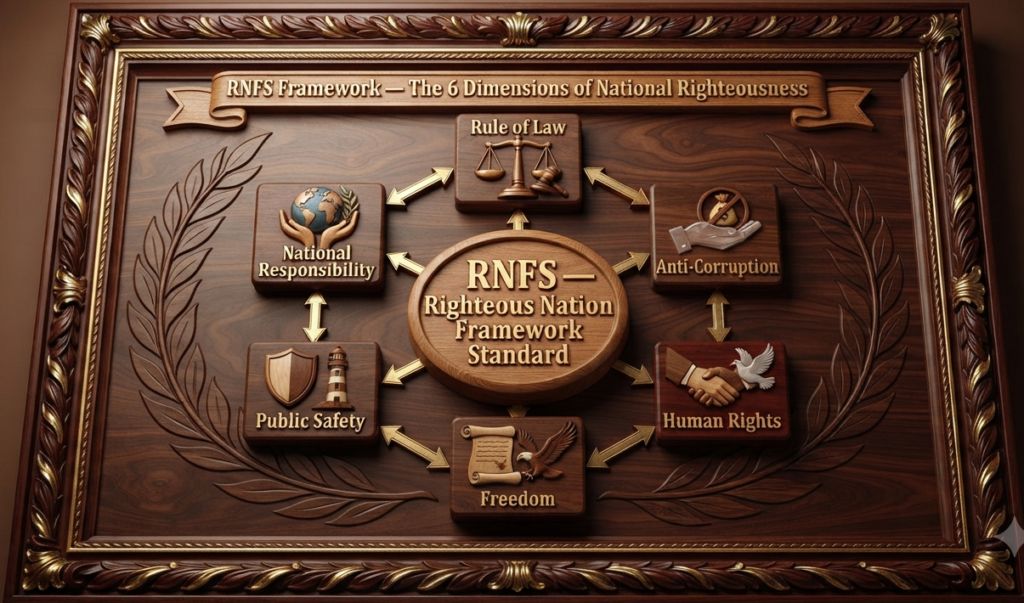
Figure 1: RNFS Framework — The 6 Dimensions of National Righteousness
3. The 6 Dimensions of RI-N
3.1 Dimension 1: Rule of Law
Weight: 21%
This dimension measures the extent to which laws are applied equally to all, and whether the justice system is fair, independent, and accessible.
Table 4: Rule of Law — What It Measures
| Factor | What It Measures |
|---|---|
| Equal Application | Whether laws are applied equally to all citizens regardless of status |
| Judicial Independence | Whether courts are independent from political influence |
| Fair Process | Whether legal processes are fair and transparent |
| Access to Justice | Whether citizens have access to legal recourse |
Description: This table breaks down the key factors of the Rule of Law dimension (World Justice Project, 2025).
3.2 Dimension 2: Anti-Corruption
Weight: 21%
This dimension measures the integrity of the public sector and the accountability of leaders to citizens.
Table 5: Anti-Corruption — What It Measures
| Factor | What It Measures |
|---|---|
| Public Sector Integrity | Whether public officials act with integrity |
| Accountability | Whether leaders are held accountable for their actions |
| Corruption Control | Whether mechanisms exist to prevent and punish corruption |
Description: This table breaks down the key factors of the Anti-Corruption dimension (Transparency International, 2025).
3.3 Dimension 3: Human Rights
Weight: 20%
This dimension measures the protection of fundamental freedoms and the safety of citizens from state violence and discrimination.
Table 6: Human Rights — What It Measures
| Factor | What It Measures |
|---|---|
| Protection of Freedoms | Whether fundamental freedoms are protected |
| State Violence | Whether citizens are safe from state violence |
| Non-Discrimination | Whether all citizens are treated equally |
| Human Dignity | Whether human dignity is respected |
Description: This table breaks down the key factors of the Human Rights dimension (V-Dem Institute, 2025).
3.4 Dimension 4: Freedom
Weight: 15%
This dimension measures the personal, civil, and economic liberty that citizens enjoy.
Table 7: Freedom — What It Measures
| Factor | What It Measures |
|---|---|
| Personal Liberty | Whether citizens enjoy personal freedom |
| Civil Liberties | Whether civil liberties are protected |
| Economic Freedom | Whether citizens have economic liberty |
| Freedom of Expression | Whether citizens can speak freely |
Description: This table breaks down the key factors of the Freedom dimension (Cato Institute, 2024).
3.5 Dimension 5: Public Safety
Weight: 14%
This dimension measures whether people live free from crime and violence in their daily lives.
Table 8: Public Safety — What It Measures
| Factor | What It Measures |
|---|---|
| Crime Levels | Whether crime levels are low |
| Violence Prevention | Whether mechanisms exist to prevent violence |
| Community Safety | Whether citizens feel safe in their communities |
| Emergency Response | Whether emergency services are effective |
Description: This table breaks down the key factors of the Public Safety dimension (Numbeo, 2025).
3.6 Dimension 6: National Responsibility
Weight: 9%
This dimension measures whether the nation contributes positively to global well-being and environmental stewardship.
Table 9: National Responsibility — What It Measures
| Factor | What It Measures |
|---|---|
| Global Contribution | Whether the nation contributes to global well-being |
| Environmental Stewardship | Whether the nation protects the environment |
| Humanitarian Duty | Whether the nation fulfills its humanitarian obligations |
| Future Generations | Whether the nation considers future generations |
Description: This table breaks down the key factors of the National Responsibility dimension (World Intellectual Foundation, 2025).
4. RI-N Data Sources & Collection
4.1 Data Sources Overview
Table 10: RI-N Data Sources — Overview
| Dimension | Data Source | Type | Access |
|---|---|---|---|
| Rule of Law | World Justice Project — Rule of Law Index | Annual report | Free download (Excel/PDF) |
| Anti-Corruption | Transparency International — CPI | Annual report | Free download (Excel) |
| Human Rights | V-Dem Institute — Human Rights Index | Annual dataset | Free download (CSV/Stata) |
| Freedom | Cato Institute — Human Freedom Index | Annual report | Free download (Excel) |
| Public Safety | Numbeo / World Population Review | Real-time data | Publicly accessible |
| National Responsibility | World Intellectual Foundation | Annual report | Publicly accessible |
Description: This table provides an overview of the data sources used for each RI-N dimension.
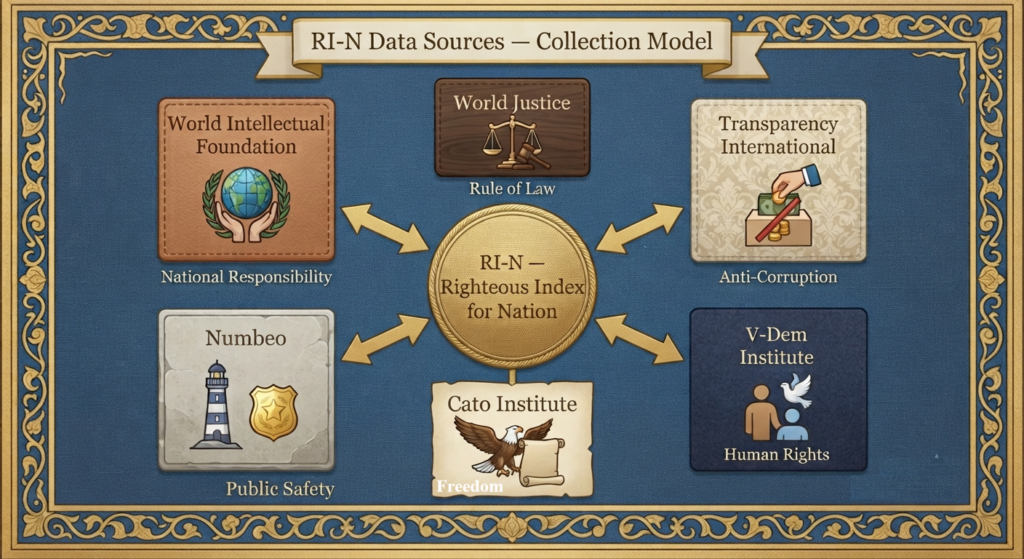
Figure 2: RI-N Data Sources — Collection Model
Description: This diagram shows the six data sources flowing into the RI-N framework, illustrating how international governance data is aggregated to produce the national righteousness score.
4.2 Data Collection Process
Table 11: RI-N Data Collection Process
| Step | Action | Description |
|---|---|---|
| 1 | Identify Data Sources | Identify the relevant data sources for each dimension |
| 2 | Collect Data | Download or access the most recent data from each source |
| 3 | Standardize Scores | Standardize raw data to a 0–100 scale |
| 4 | Aggregate Dimension Scores | Aggregate factor scores to calculate each dimension score |
| 5 | Calculate RI-N Score | Apply weights and calculate the overall RI-N score |
Description: This table outlines the step-by-step process for collecting RI-N data.
5. RI-N Scoring Methodology
5.1 Scoring Overview
Table 12: RI-N Scoring Overview
| Component | Description |
|---|---|
| Data Source | International governance data (WJP, TI, V-Dem, Cato, Numbeo) |
| Core Dimensions | 6 dimensions |
| Total Factors | 23 factors |
| Score Range | 0 – 100 |
| Calculation | Weighted sum of dimension scores |
| Version Control | Semantic versioning (v1.0, v2.0, etc.) |
Description: This table summarizes the key components of RI-N scoring.
5.2 Dimension Weighting
Table 13: RI-N Dimension Weights (v1.0)
| Dimension | Weight | Rationale |
|---|---|---|
| Rule of Law | 21% | The foundational bedrock of any righteous society — without equal justice, all other dimensions remain fragile (World Justice Project, 2025) |
| Anti-Corruption | 21% | Public sector integrity determines whether institutions serve the public good or narrow interests (Transparency International, 2025) |
| Human Rights | 20% | The ethical yardstick for human dignity — the active protection of fundamental freedoms is a primary moral duty of governance (V-Dem Institute, 2025) |
| Freedom | 15% | Enables human flourishing, innovation, and self-determination (Cato Institute, 2024) |
| Public Safety | 14% | A core prerequisite for functioning communities and basic well-being (Numbeo, 2025) |
| National Responsibility | 9% | Represents outward-facing ethics and intergenerational stewardship |
Description: This table shows the consensus weights for each of the 6 RI-N dimensions, established through a consensus process involving the Righteous Advisory founding team, ChatGPT, Gemini, and Copilot.
5.3 Score Calculation
Step 1: Standardize Raw Data
Convert raw data from each source to a 0–100 scale for comparability.
Standardized Score = (Raw Score - Min) / (Max - Min) × 100Step 2: Calculate Dimension Raw Score
For each dimension, calculate the average of all factor scores in that dimension.
Dimension Raw Score = (Sum of all factor scores in that dimension) / (Number of factors)Step 3: Calculate Dimension Weighted Score
Multiply the dimension raw score by its weight.
Dimension Weighted Score = Dimension Raw Score × Dimension WeightStep 4: Calculate Overall RI-N Score
Sum all dimension weighted scores.
RI-N Score = Σ (Dimension Raw Score × Dimension Weight)Example Calculation:
| Dimension | Raw Score | Weight | Weighted Score |
|---|---|---|---|
| Rule of Law | 75 | 21% | 15.75 |
| Anti-Corruption | 70 | 21% | 14.70 |
| Human Rights | 80 | 20% | 16.00 |
| Freedom | 78 | 15% | 11.70 |
| Public Safety | 65 | 14% | 9.10 |
| National Responsibility | 60 | 9% | 5.40 |
| Total | 100% | 72.65 |
RI-N Score = 72.65 ≈ 73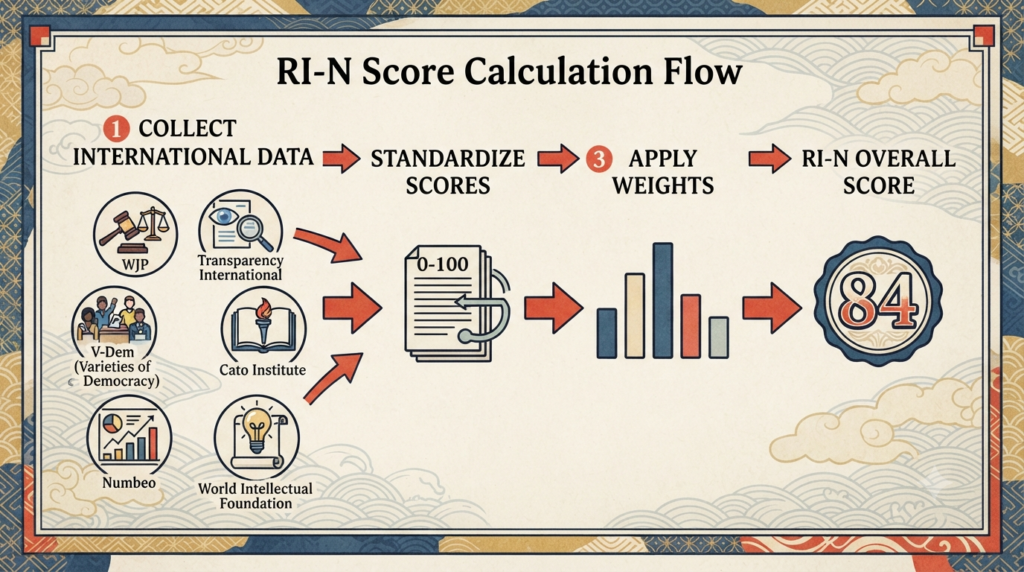
Figure 3: RI-N Score Calculation Flow
Description: This flowchart illustrates the step-by-step process for calculating a nation’s RI-N score from data collection to the final 0-100 score.
5.4 Score Interpretation
Table 14: RI-N Score Interpretation
| Score Range | Rating | Description | Recommended Action |
|---|---|---|---|
| 86 – 100 | Exemplary | Nation consistently demonstrates righteousness; a role model for others | Continue to maintain; consider sharing best practices internationally |
| 71 – 85 | Proficient | Solid foundation; demonstrates national righteousness consistently | Identify specific areas for refinement |
| 51 – 70 | Developing | Foundational elements present; significant growth opportunities exist | Prioritize 1–2 dimensions for focused policy development |
| 0 – 50 | Emerging | Needs attention and development across multiple dimensions | Begin with foundational dimensions (Rule of Law, Anti-Corruption) |
Description: This table provides guidance on interpreting RI-N scores, including recommended actions for each score range.
6. Using RI-N for National Assessment
6.1 National Assessment Process
Table 15: RI-N National Assessment Process
| Step | Action | Description |
|---|---|---|
| 1 | Collect International Data | Gather data from WJP, TI, V-Dem, Cato, Numbeo |
| 2 | Standardize Scores | Convert raw data to 0–100 scale |
| 3 | Calculate RI-N Score | Apply weights and calculate the overall RI-N score |
| 4 | Review Your RI-N Report | Understand national strengths and growth areas |
| 5 | Identify Policy Priorities | Select 1–2 dimensions for focused policy development |
| 6 | Create a National Development Plan | Develop specific goals and policy actions |
| 7 | Track Your Progress | Re-assess annually using RGS |
Description: This table outlines the step-by-step process for completing the RI-N national assessment.
6.2 International Comparison
Table 16: RI-N — International Comparison Examples
| Country | Rule of Law | Anti-Corruption | Human Rights | Freedom | Public Safety | National Responsibility | RI-N Score |
|---|---|---|---|---|---|---|---|
| Country A | 82 | 78 | 85 | 80 | 75 | 70 | 79 |
| Country B | 70 | 65 | 72 | 68 | 60 | 55 | 66 |
| Country C | 55 | 50 | 48 | 52 | 45 | 40 | 49 |
Description: This table provides examples of how RI-N scores can be compared across countries. Scores are illustrative only.
7. RI-N in the Broader Ecosystem
7.1 Relationship to RI Family
Table 17: RI Family — Version Comparison
| Version | Target | Framework | Dimensions |
|---|---|---|---|
| RI-I | Individual | RSS | 7 |
| RI-OE | Organization Employee | RSS | 7 |
| RI-O | Organization | RSS | 7 |
| RI-OF | Organization Field | RSS | 7 |
| RI-N | Nation | RNFS (Independent) | 6 |
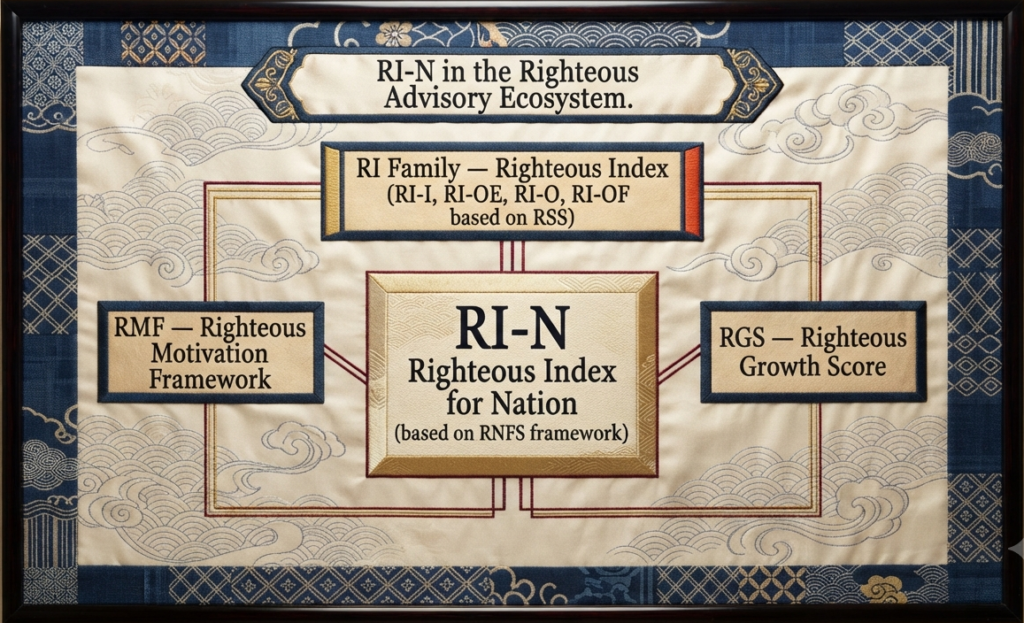
Figure 4: RI-N in the Righteous Advisory Ecosystem
Description: This diagram 4 shows RI-N’s position in the Righteous Advisory ecosystem, connecting to RNFS, RI Family, RMF, and RGS.
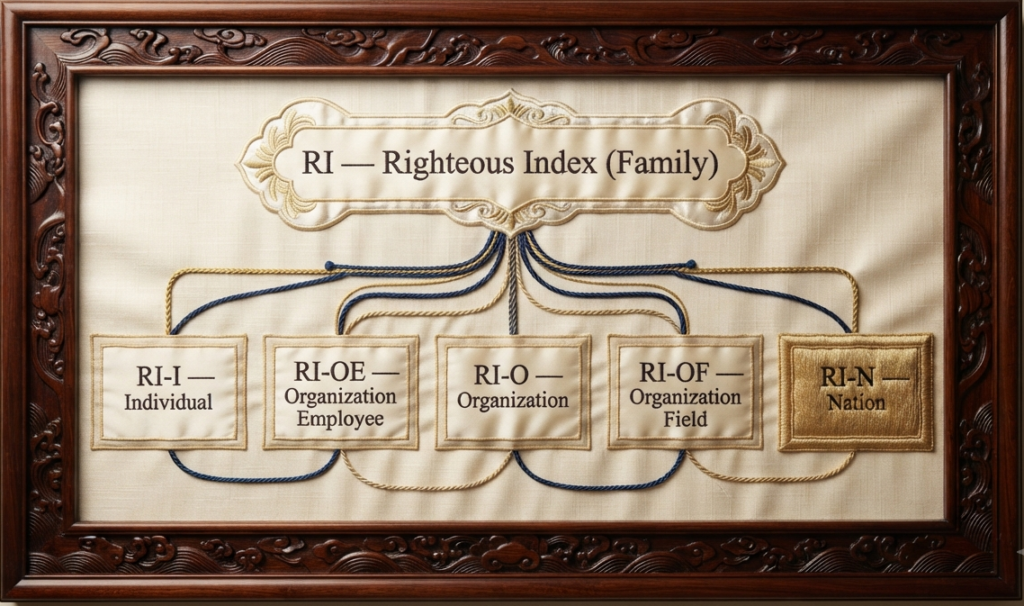
Figure 5: RI-N in the RI Family
Description: This diagram 5 shows RI-N’s position within the RI family, illustrating its relationship to other RI versions.
7.2 Relationship to RMF and RGS
Table 18: RI-N in Relation to RMF and RGS
| Tool | Role |
|---|---|
| RMF | Diagnoses motivation gaps that may explain low RI-N scores at the national level |
| RGS | Tracks RI-N growth over time: RGS = RI-N(T2) — RI-N(T1) |
Description: This table shows how RI-N works together with RMF and RGS.
8. Frequently Asked Questions
Table 19: RI-N Frequently Asked Questions
| Question | Answer |
|---|---|
| How is RI-N different from RI-O? | RI-O assesses organizations; RI-N assesses nations. RI-N uses a different framework (RNFS) designed for national-level assessment. |
| Where does RI-N data come from? | Publicly available international governance data (WJP, TI, V-Dem, Cato, Numbeo). |
| How often should RI-N be assessed? | Recommended annually to track national growth and policy impact. |
| Can RI-N be used for international comparisons? | Yes — RI-N is designed to support cross-country comparison. |
| Is RI-N politically biased? | No — RI-N draws on objective, publicly available governance data from internationally recognized sources. |
Description: This table provides answers to common questions about RI-N.
Appendix — Reference Tables
Table A: RI-N Dimension Summary
| Dimension | Weight | Data Source | Factors |
|---|---|---|---|
| Rule of Law | 21% | World Justice Project | 4 |
| Anti-Corruption | 21% | Transparency International | 3 |
| Human Rights | 20% | V-Dem Institute | 4 |
| Freedom | 15% | Cato Institute | 4 |
| Public Safety | 14% | Numbeo | 4 |
| National Responsibility | 9% | World Intellectual Foundation | 4 |
Description: This table provides a quick reference for all 6 RI-N dimensions.
Table B: RI-N Sample Report
| Dimension | Score | Rating |
|---|---|---|
| Rule of Law | 75 | Proficient |
| Anti-Corruption | 70 | Proficient |
| Human Rights | 80 | Proficient |
| Freedom | 78 | Proficient |
| Public Safety | 65 | Developing |
| National Responsibility | 60 | Developing |
Overall RI-N Score: 73 — Proficient
Strengths: Human Rights (80), Freedom (78)
Growth Areas: Public Safety (65), National Responsibility (60)
Description: This table provides a sample RI-N report showing scores across all 6 dimensions.
Table C: RI-N Version History
| Version | Release Date | Key Changes |
|---|---|---|
| v0.5 | Q1 2026 | Initial Formula to Calculate RI-N |
| v1.0 | Q3 2026 | Initial release with RNFS framework and 6 dimensions |
Description: This table documents the release history and key changes for RI-N.
References
Cato Institute. (2024). Human freedom index 2024. https://www.cato.org/human-freedom-index
Numbeo. (2025). Crime index by country 2025. https://www.numbeo.com/crime/
OECD. (2008). Handbook on constructing composite indicators: Methodology and user guide. OECD Publishing.
Transparency International. (2025). Corruption perceptions index 2024. https://www.transparency.org/en/cpi
V-Dem Institute. (2025). Democracy report 2025. https://www.v-dem.net/
World Bank. (2024). Worldwide governance indicators. https://info.worldbank.org/governance/wgi/
World Intellectual Foundation. (2025). National responsibility index 2025.
World Justice Project. (2025). Rule of law index 2025. https://worldjusticeproject.org/rule-of-law-index
RI-N: Know Your Nation. Build Its Righteousness.”
Report